









UNDATED—(AVC News)—When you or a loved one is sick, you often go to the doctor’s office, clinic or hospital.
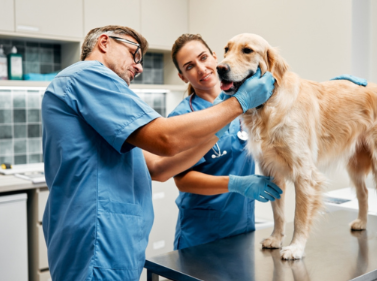
When a pet is ill, a trip to the veterinarian is usually indicated.
However, that option is becoming more and more difficult.
The U.S. is facing a severe shortage of veterinarians, especially in rural America. The U.S. Bureau of Labor Statistics (BLS) projects that over 40,000 new veterinarian jobs will open by 2030, and over 150,000 vet tech positions will open up before the decade’s end.
Here in Ohio, a recent survey showed that more than 36% of pet owners delayed or went without a vet care for their pets in the past year due to higher costs or limited access. The survey also indicated that barriers to vet care were a major reason that people surrendered their animals to a shelter.
The veterinarian shortage however, does seemed to have a mixed outlook.
While general pet owners often experience longer wait times for non-emergency appointments, analysis by groups like the American Veterinary Medical Association indicates that the overall supply of companion-animal veterinarians is on the rise and may keep pace with or exceed pet ownership growth over the long term.
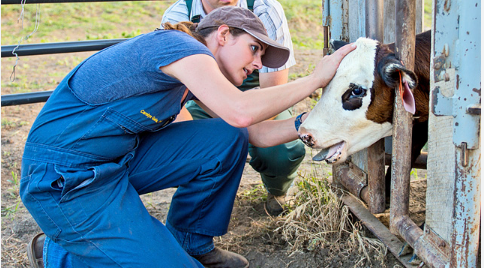
However, that does not seem to be holding true for large animal, livestock and food-animals as the U.S. is seeing a growing shortage of rural, farm animal vets. Reports show that America has lost roughly 90% of its large animal and livestock veterinarians since World War II. The USDA National Institute of Food and Agriculture has designated hundreds of counties across nearly all states in the union as critical veterinary shortage areas.
The reasons for the vet shortage are many. The shortage is attributed to the retirement of older veterinarians, high turnover rate, career burnout, dissatisfaction with working conditions longer work hours and more.
The impact of the veterinarian shortage is widespread.
One of the most obvious is the care and health of family pets, who most consider their pets as family members. Pets are considered by most as treasurered companions, and fulfill critical mental health needs as companion animals, such as seeing eye dogs and the like. As mentioned, lack of veterinarian care can force famlies into making the difficult decision to surrender their pet.
The lack of large animal, livestock veterinarian care also can have a widespread effect. Farmers face long wait times for a vet visit, drive long distances for care or worse yet, omit medical care for their animals. Without proper medical care, impacts could include increased herd disease risk and public safety concerns regarding disease transmissions from animals to humans or contamination of human food sources.
To combat the shortage of veterinarians in the U.S.—particularly in rural areas and public health sectors, state and federal agencies, industry associations, and private organizations are expanding loan repayment programs, increasing funding grants, and overhauling recruitment strategies.
The USDA has launched a Rural Veterinary Action Plan, targeting large animal and livestock veterinarian shortages. There are grant and loan repayment progrms and practice startup resources available at the federal, state and local levels in many areas as well.
In Ohio, aimed at rural vet shortages is the Protect OHIO Initiative through the OSU College of Veterinary Medicine. Backed by Gov. DeWine and state legislators, Ohio has committed as a part of the 2026-27 biennial budget, $9.6 million in operating funds to launch the Protect One Health in Ohio program.