


Columbus, Ohio- (AVC News) – September has been designated as Ohio Preparedness Month by the State of Ohio and coordinated by the Ohio Emergency Management Agency (Ohio EMA).
Ohio Preparedness Month (OPM) is a month long campaign aimed at enhancing public awareness and providing education for effectively preparing for emergencies, disasters, or unforeseen circumstances that may arise.
Ohio’s 2026 Preparedness Month theme is “Prepare Your Family,” broken down into weekly topcics, which aims to encourage Ohioans to take steps now to help their family and households be prepared in the event of an emergency or disaster.
Week 1: Preparedness Kits for the Family
Week 2: Plan for your Family
Week 3: Family Communication
Week 4: Youth Preparedness
Week 5: Livestock/Pet Preparedness
In his final report in this series, AVC News reporter, Mike McKay breaks down some steps that can be taken to prepare for a disaster.
This week’s topic; Preparing Family Pets and Livestock for a Disaster
DISASTER PREPAREDNESS; PETS AND LIVESTOCK
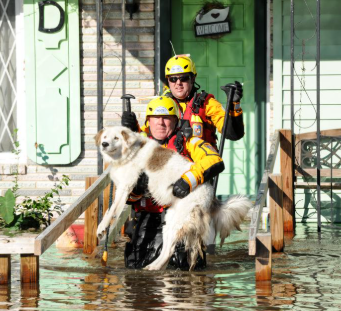
Planning for a disaster includes the smaller (often furrier) members of the family; pets, and in some cases, larger animals (livestock).
A preparedness kit for pets should include;
- Food and water for 3 to 7 days. If canned food, remember to include a manual can opener.
- Documents; including Identification, vaccination papers, recent photos and other documents.
- Sanitation; clean up supplies such as wipes, paper towels, trash bags and small litter box
- Health; any medications needed and consider first aid needs for pets.
- Comfort Items; such as toys, blankets leashes and secure carrier or crates. Also consider the needs of reptiles such as warming lights and the like.
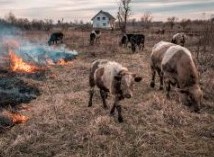
For livestock/larger animals;
During Disaster Preparedness plans determine a safe location ahead of time where to move large animals.
This could be a neighboring field or pasture, which would require permission from the landowner. Be cautious that you are moving livestock to a safer location, thus, more than one evacuation site and route may be needed.
Consider a precautionary evacuation for livestock, moving them ahead of a potential emergency if possible. Especially if this involves particularly large animals or a number of animals.
Consider how your are moving livestock to higher ground, including the use of livestock trailers.
Emergency plans should also take into consideration differnt types of animals involved and their particular needs and temperments, especially if they are more exotic types of animals.