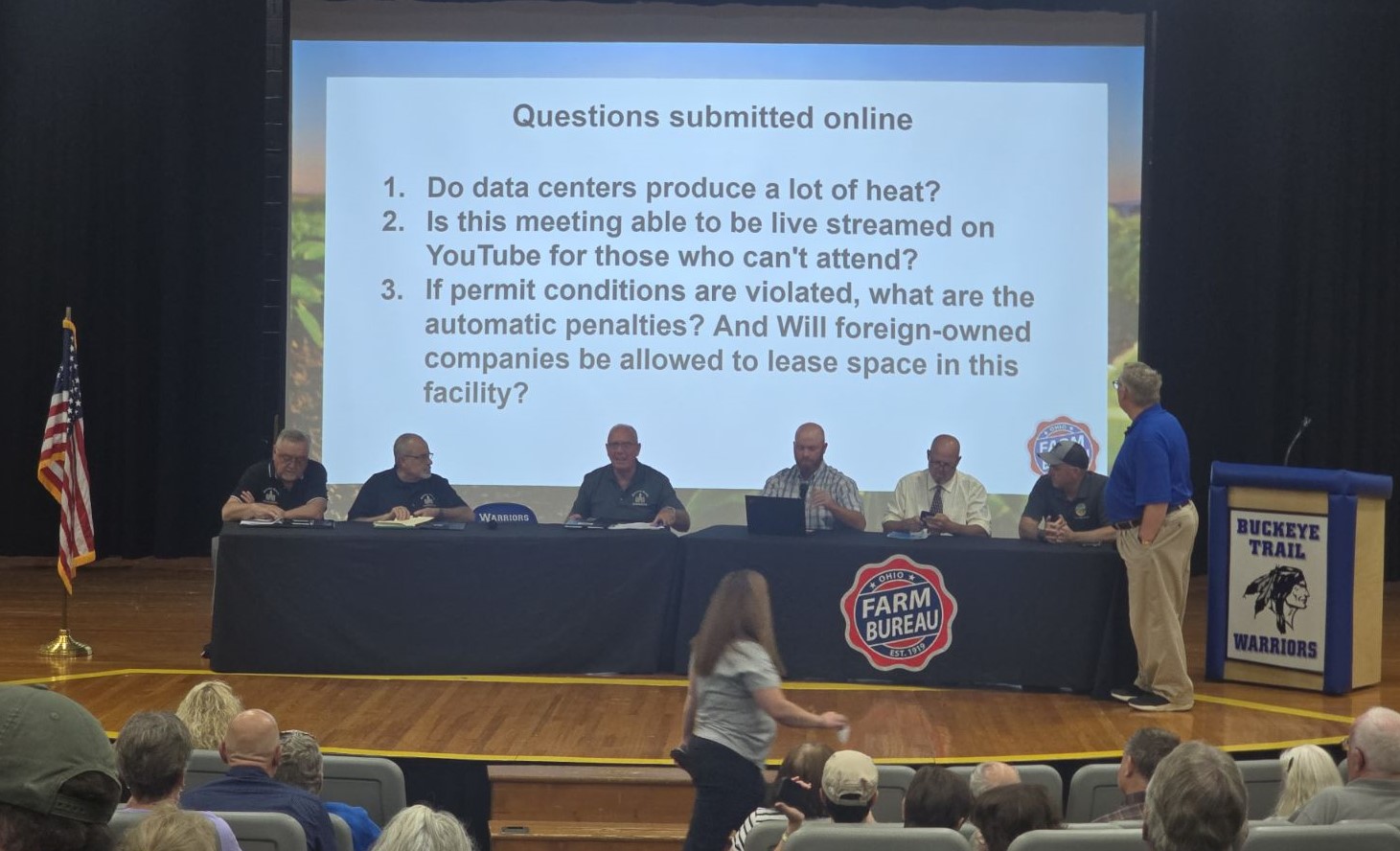



LORE CITY, Ohio (AVC News) — As Guernsey County officials continue gathering information about the possibility of future data center development, area residents gathered at the Buckeye Trail High School auditorium Thursday evening for an educational town hall focused on what such projects could mean for the community and how local governments can influence the process.
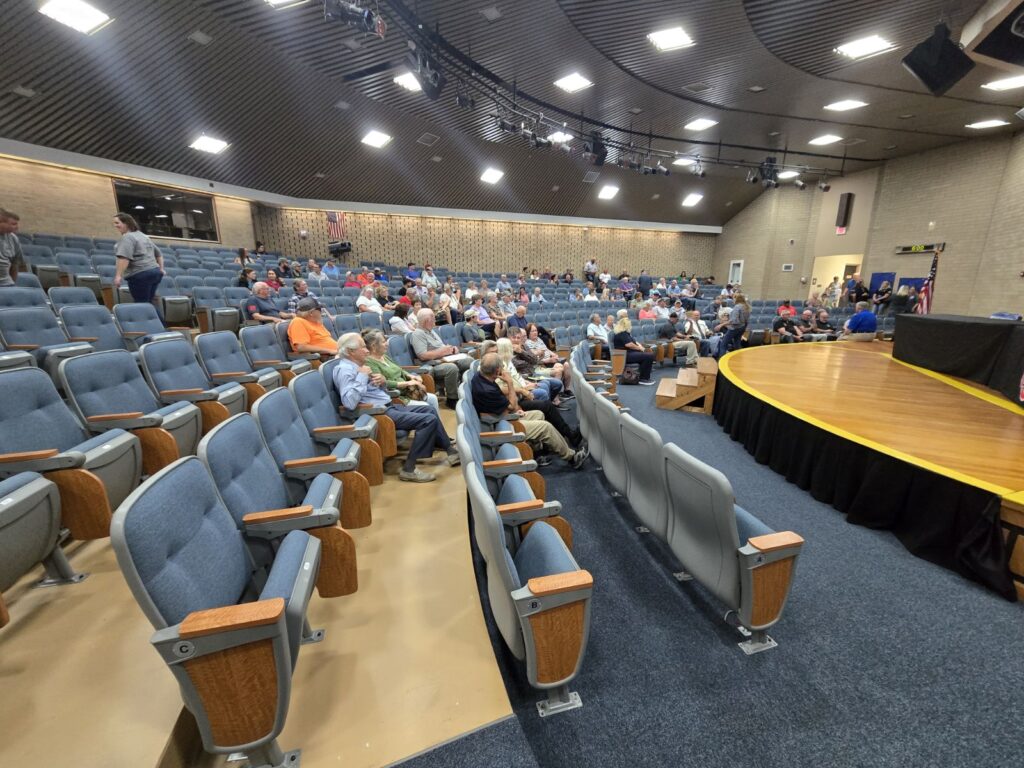
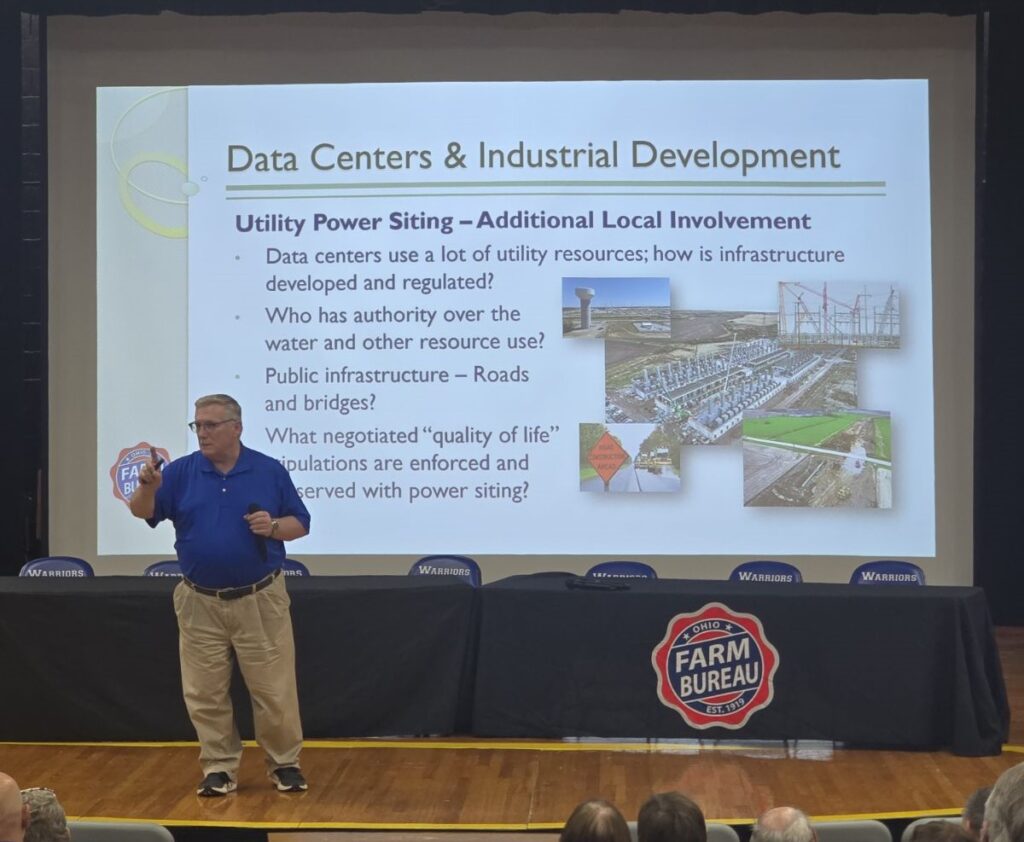
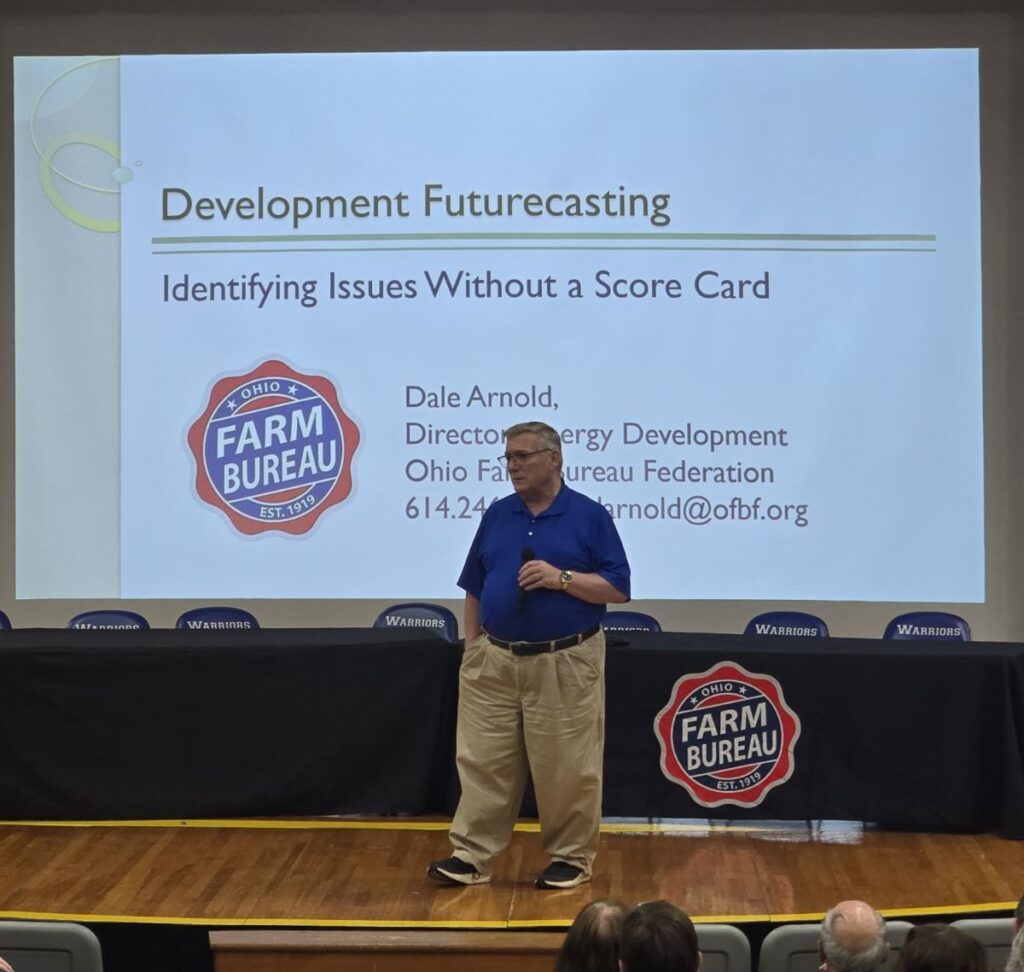
Hosted by the Guernsey County Farm Bureau, the meeting featured Dale Arnold, Director of Energy, Utility and Local Government Policy, who stressed throughout the presentation that communities have far more negotiating power than many people realize.
“Anything and everything is negotiable,” Arnold said repeatedly, emphasizing that local governments and residents can help shape major development projects through public participation, permitting requirements and negotiated community benefit agreements.
The meeting comes several weeks after the Guernsey County Commissioners met with representatives of Smart Energy Partners, who presented an early-stage concept for a possible data center project in the county. Commissioners said no specific location was disclosed during that meeting, and no formal proposal has been submitted or publicly announced.
Commissioners Bill Cowgill, Jack Marlin and Dave Wilson attended Thursday’s meeting, along with state Reps. Ty Moore and Adam Holmes.
According to Commissioner President Jack Marlin, county officials sought independent, fact-based information after meeting with developers back in June.
GCC.-Data-Center-minutes-6.9.26
“The developer threw out a lot of information and we needed time to educate ourselves through other informed, but non-biased sources,” Marlin previously said. “Once we are certain that we had fact-based information, we believe we can then educate the public on the issue.”
Rather than advocating for or against data centers, Arnold focused much of his presentation on how communities can prepare long before a project reaches the construction stage.
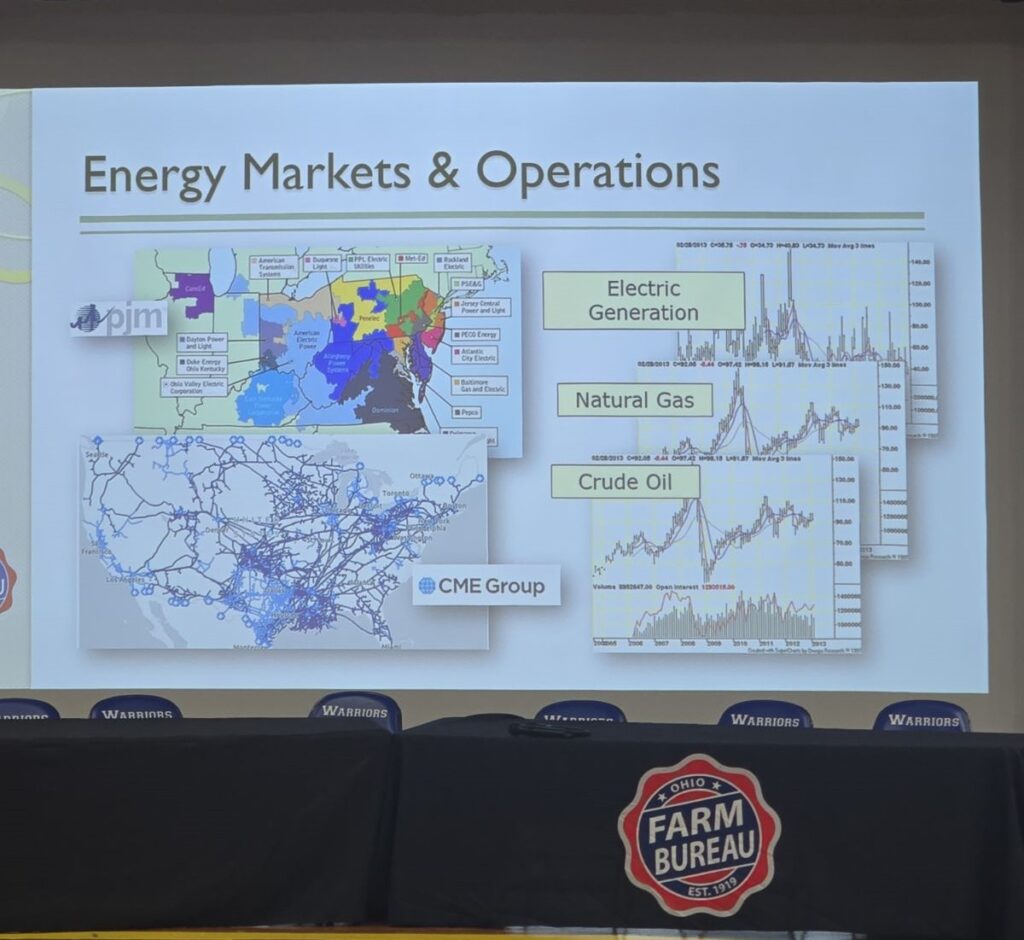
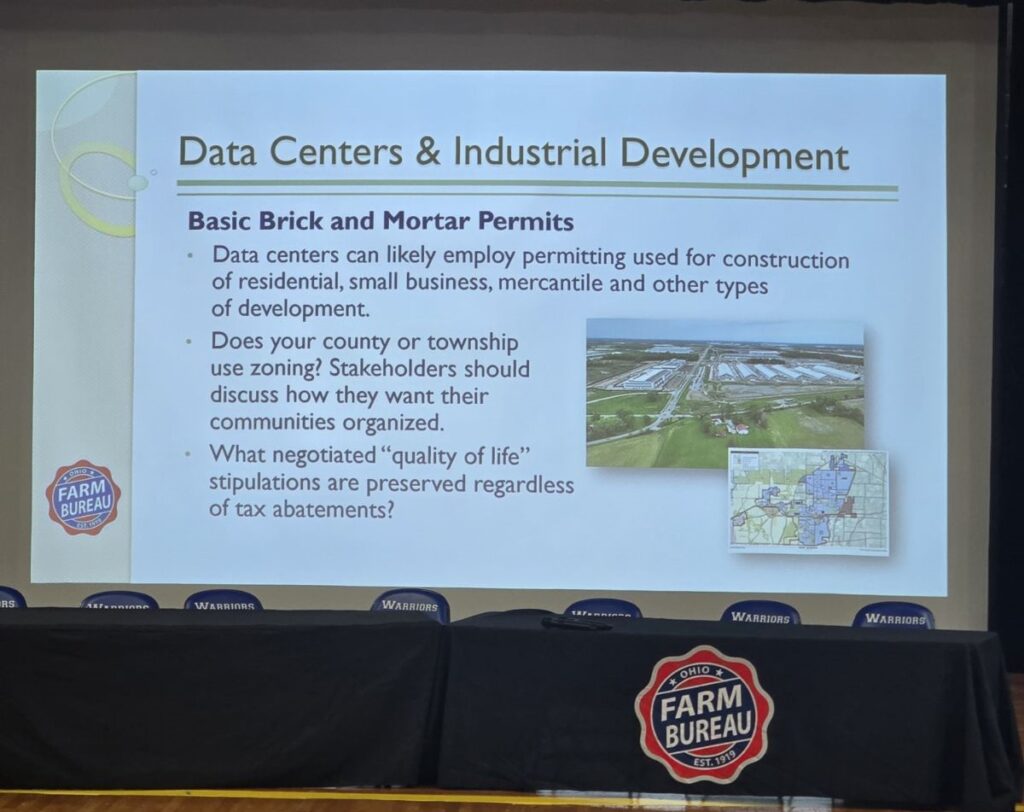
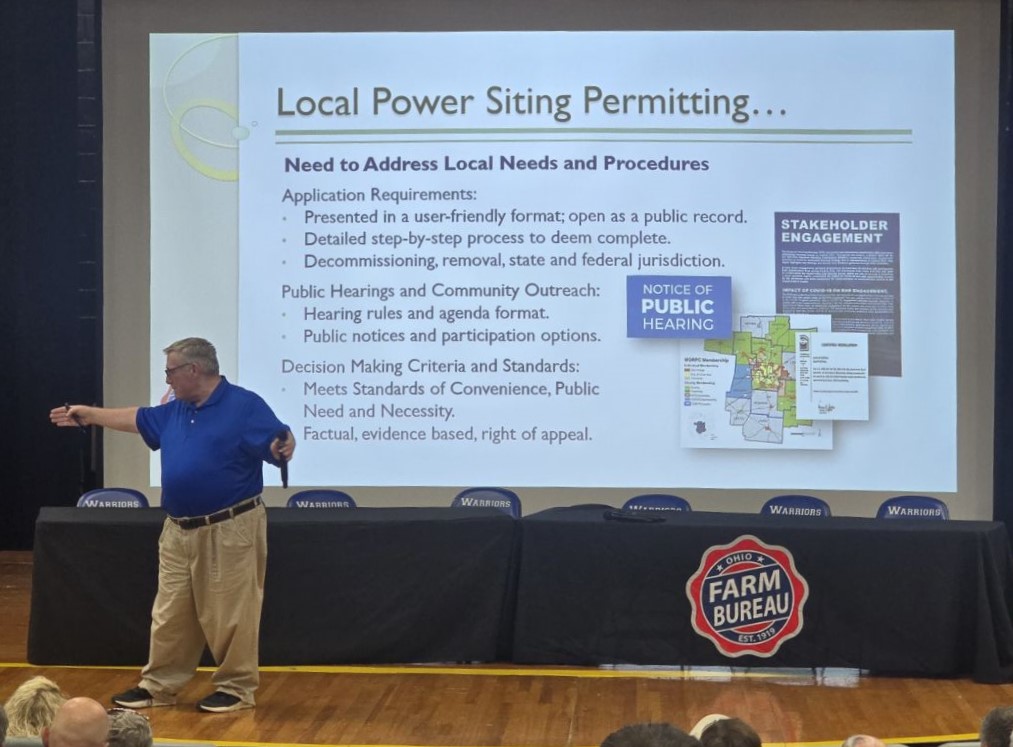
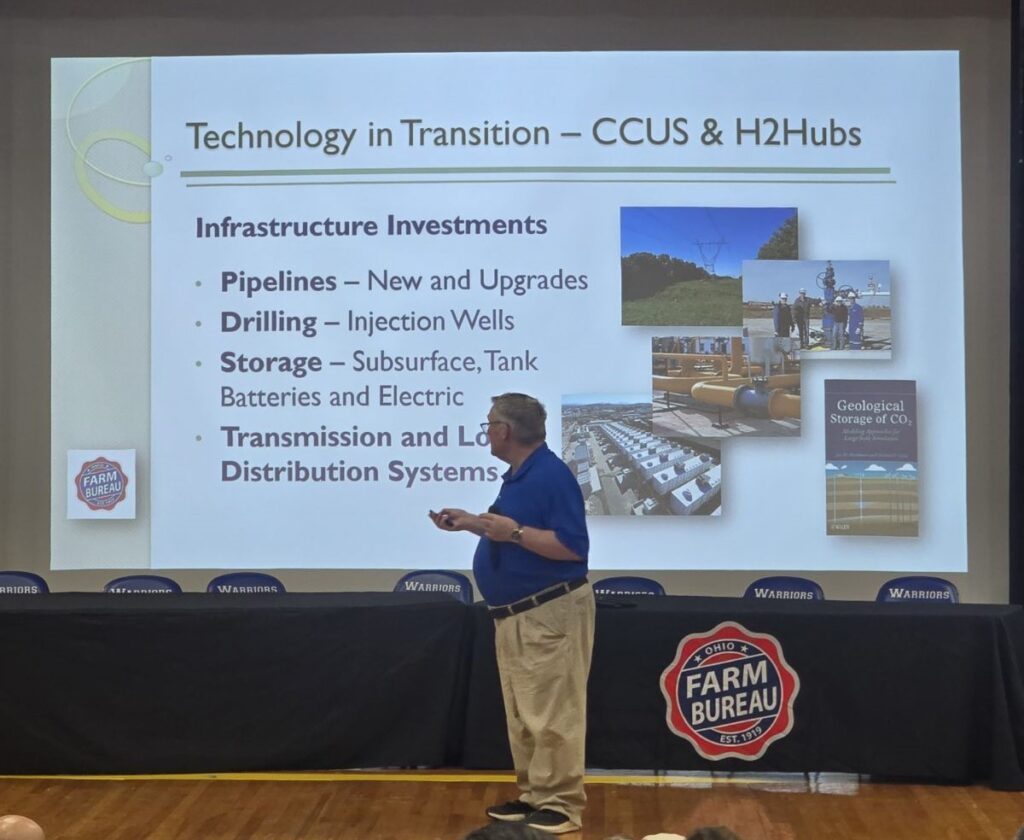
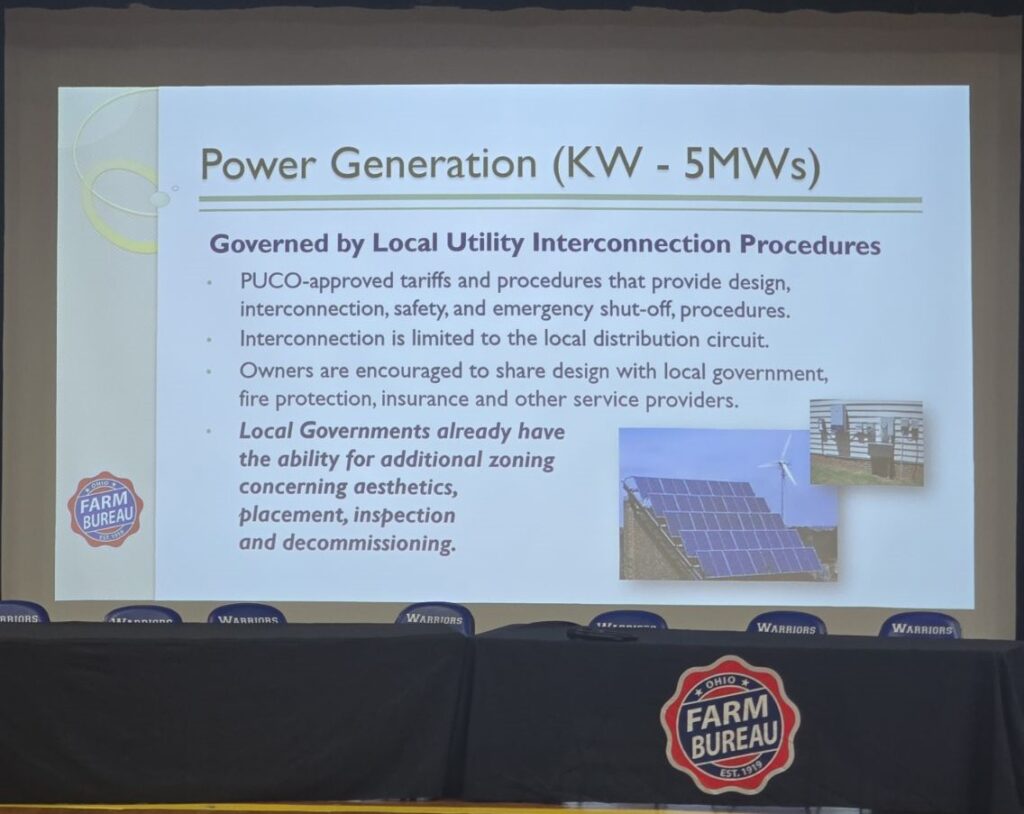
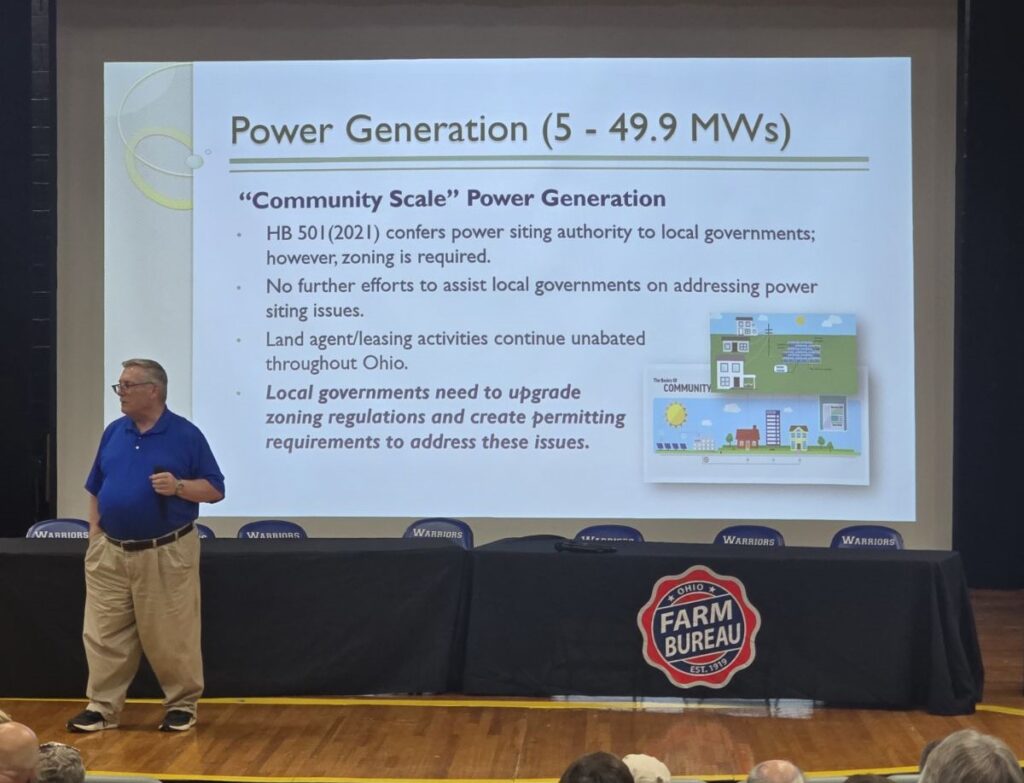
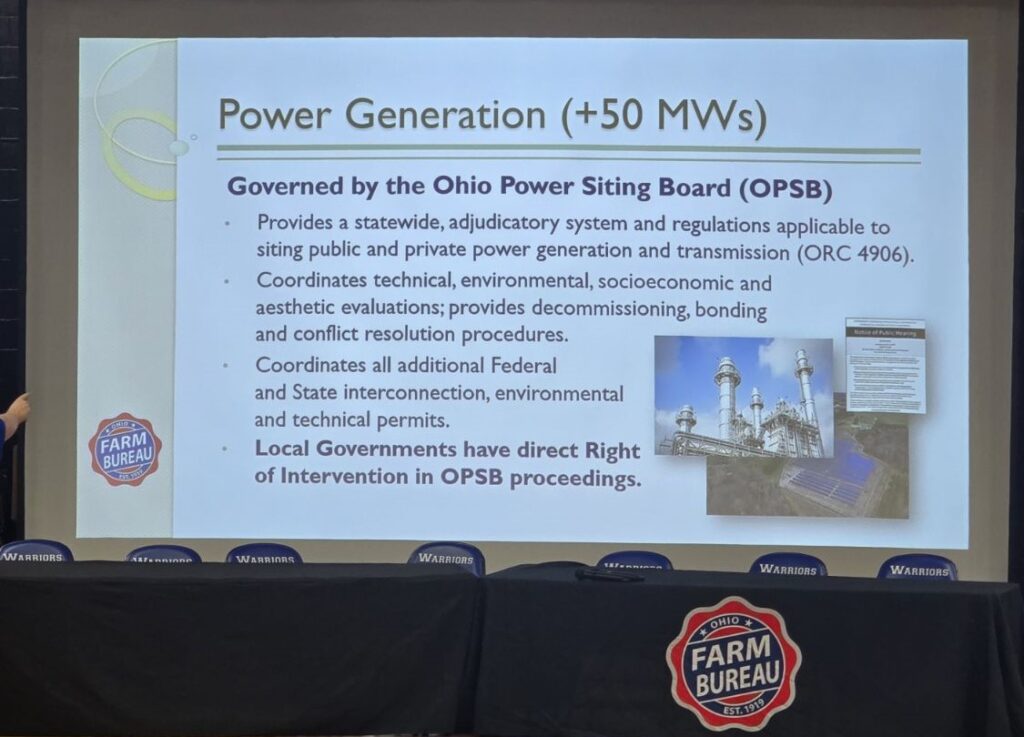
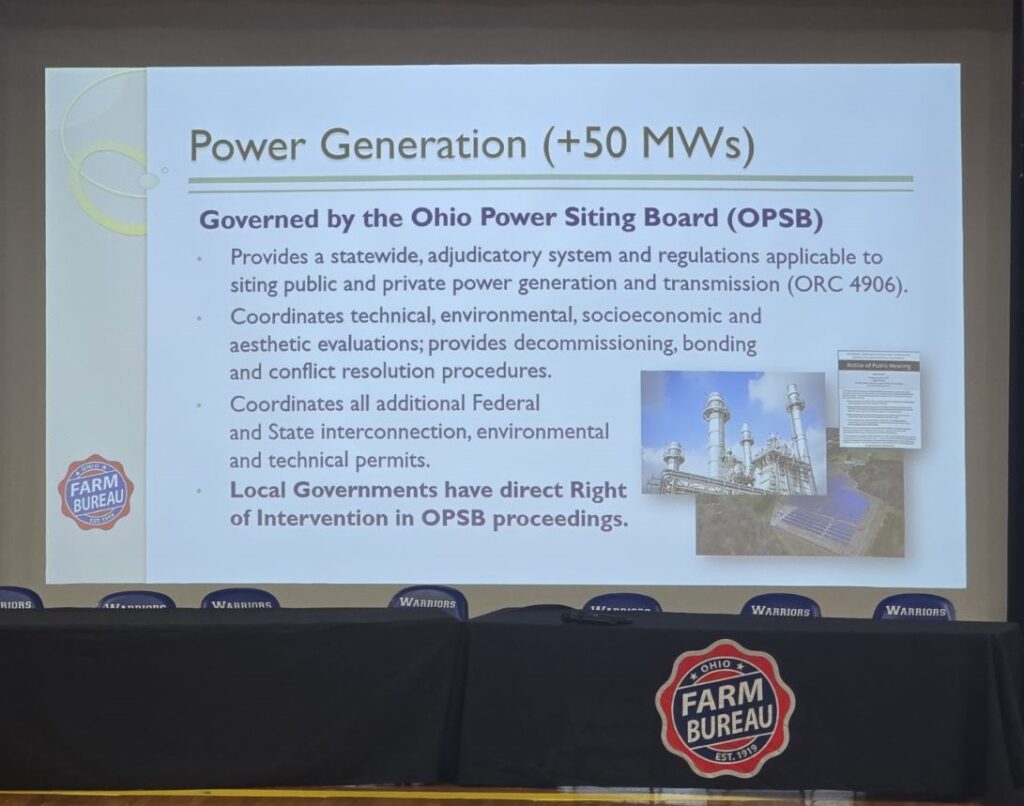
He explained that modern society relies heavily on data centers to support cloud computing, online services and digital communications, making additional facilities increasingly likely as technology continues to expand.
A significant portion of the evening centered on Ohio’s regulatory process and the authority of the Ohio Power Siting Board, which reviews major energy infrastructure projects.
Arnold described the board as a critical safeguard for communities, explaining that it evaluates technical requirements while also incorporating public input into the decision-making process. He noted that developers must answer questions involving power generation, water usage, cooling systems, emergency planning, noise mitigation and other quality-of-life concerns before receiving approvals.
He encouraged residents to become involved early in the process, noting that local governments can negotiate a wide range of legally enforceable conditions designed to benefit the community.
Those agreements, Arnold said, can address infrastructure improvements, environmental protections, emergency services, workforce development, utility investments, school partnerships, noise standards and long-term accountability measures.
House Bill 15 was also discussed as part of Ohio’s evolving approach to energy generation. Arnold said the legislation allows qualifying data centers to construct adjacent power generation facilities under specific state standards, helping meet growing electrical demand while potentially limiting impacts on existing electric customers.
Questions from attendees largely focused on water consumption, electrical infrastructure, noise, taxes and the long-term effects a large-scale development could have on Guernsey County.
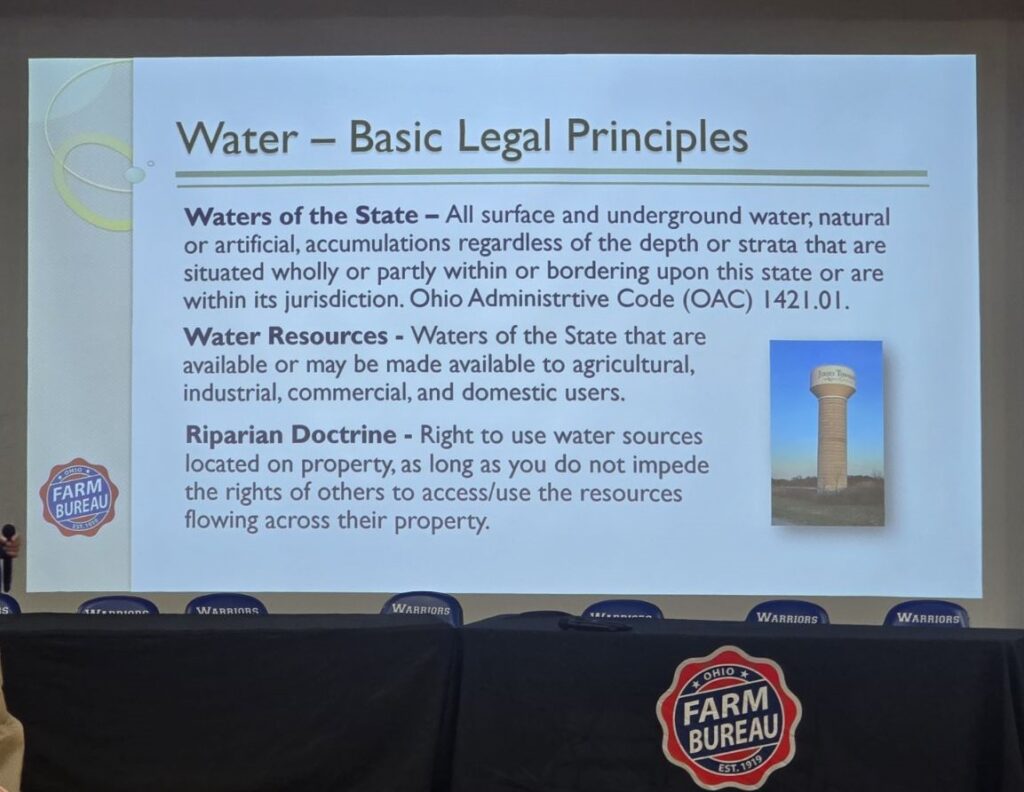
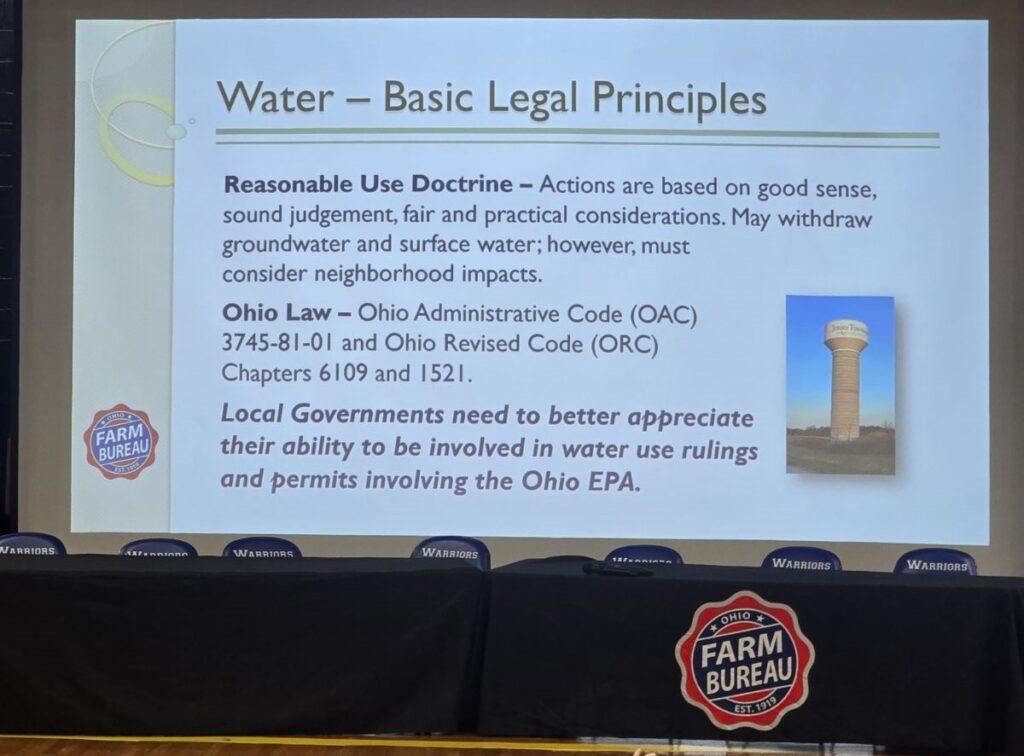
Arnold acknowledged that data centers can require substantial utility resources, while explaining that newer facilities continue to improve cooling technology and operational efficiency. He also discussed Ohio water law and the state’s permitting process for large utility projects.
Residents were encouraged to remain engaged, monitor public records and property transactions, and participate in future public hearings should a proposal move forward.
County officials have likewise emphasized that no project has been approved and that several questions remain unanswered.
Following their meeting with developers, commissioners noted that Guernsey County’s lack of countywide zoning limits their authority over private land sales and land use decisions. However, they also stated that the county retains authority over potential tax abatements and infrastructure assistance.
Marlin said the commissioners unanimously agreed they would not support tax abatements or infrastructure assistance for a data center project until Ohio lawmakers complete ongoing legislative work surrounding the industry and county officials have a clearer understanding of the project’s potential economic and environmental impacts.
GC-Commissioners-Data-Center-Press-Release
“If a developer wants a data center in Guernsey County, they’ll have to do it without tax abatements and through a private land sale,” Marlin said.
While opinions among attendees varied, Arnold concluded the evening by encouraging residents to continue educating themselves rather than waiting until plans are finalized.
The meeting’s central message was that whether a data center eventually comes to Guernsey County or not, communities have opportunities to influence major developments through public participation, informed negotiation and state oversight—provided they become involved early in the process.
Last Updated on July 27, 2026 by AVC News