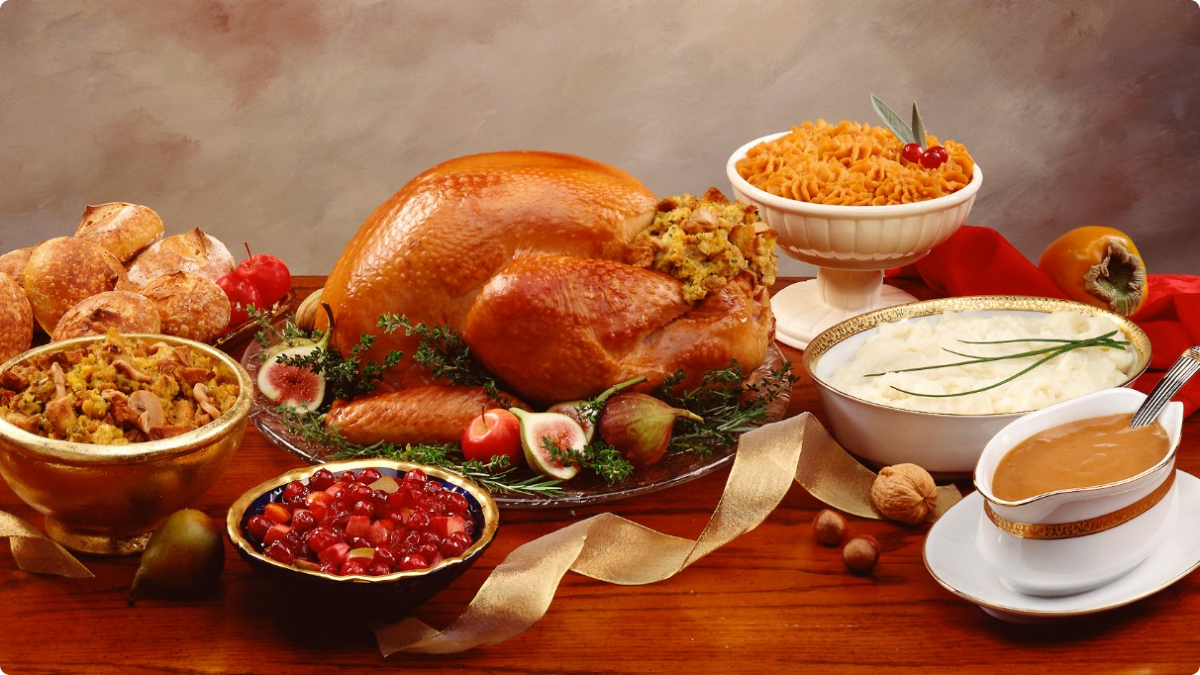



UNDATED—(AVC News)– Results from the AFBF’s 41st annual Thanksgiving dinner cost survey indicate that the price of a Thanksgiving dinner for 10 people this year averages $58.63, up 6% from a year ago.
Each November, as millions of Americans prepare to gather with their family and friends to celebrate Thanksgiving, hundreds of volunteer shoppers from all 50 states and Puerto Rico participate in AFBF’s annual Thanksgiving dinner cost survey.
Every year since 1986, AFBF shoppers have reported prices for a standard list of items at their local grocery store for a variety of ingredients used to craft Thanksgiving favorites.
Up until 2018, the survey included carrots, celery, cranberries, cubed stuffing, dinner rolls, frozen green peas, sweet potatoes, pumpkin pie mix, frozen pie crusts, whole milk, heavy whipping cream, and the ubiquitous American holiday staple: turkey.
In 2018, AFBF added ham, frozen green beans and russet potatoes to better reflect the price of an all-American Thanksgiving meal.
And, the survey said;
While the overall cost of Thanksgiving dinner ticked upward in 2026, prices for several items included in the survey decreased slightly from 2025.
A vegetable tray containing celery and carrots posted the largest percentage decline in this year’s survey, with a 3.7% decrease compared to a year ago. In terms of absolute dollar changes, frozen pie crusts had the sharpest decrease, posting a decrease of 9 cents compared to a year ago. The survey bodes well for pumpkin pie enthusiasts, who will enjoy a lower overall cost for their beloved dessert despite an increase in the cost of pumpkin pie mix, as heavy whipping cream is also cheaper in 2026 compared to last year.
The overall cost of a 10-person Thanksgiving dinner increased for 2026, largely fueled by increases in items key to the Turkey Day menu. The most notable increase for 2026 is the turkey itself, with the average price of a 16 pound frozen bird being $23.68, an increase of $2.38 (10%) from 2025. As discussed in a recent Farm Bureau Intel, strong demand and tight inventories have led to increased prices for turkey in 2026.
Apart from turkey, other widely featured Thanksgiving items increased in this year’s survey. Grocery store prices for boneless ham, milk, dinner rolls, sweet potatoes, russet potatoes, frozen peas, frozen green beans, cranberries, and cubed stuffing (known in some regions as “dressing”) all increased in 2026.
Despite this year’s higher prices, the Farm Bureau points out that the cost for this year’s feast, at $58.63 is more than 8% lower than the record high price of $64.50 set in 2022.
Higher prices for these items aren’t a complete surprise, as the effects of significant spikes in prices for critical inputs throughout the supply chain, like fuel for processing and transportation, have made their way to consumers. America’s farmers and ranchers also face significant challenges, with record diesel costs, elevated fertilizer prices, increased labor expenses, and a bigger bill for items like rent and electricity — all of which hurt their ability to break even at the end of the year. However, unlike wholesalers and retailers, farmers aren’t able to pass those costs up the supply chain
Higher Grocery Prices Do Not Mean Higher Farm Profits
Farm Bureau’s 2026 Thanksgiving Dinner market basket survey indicates that Americans will pay more to feed family and friends this Thanksgiving. Nearly all items surveyed increased in price compared to 2025, with turkey, milk and cranberries posting some of the largest year-over-year percentage gains. However, higher grocery prices do not necessarily translate into better returns for America’s farmers and ranchers.
Farmers and ranchers are largely price-takers, not price-makers, and receive only a small share of what consumers spend at the grocery store. USDA’s Food Dollar Series estimates that less than 6 cents of every dollar spent on food goes back to the farm. Even when higher retail prices translate into increased farm revenue, rising production costs can quickly offset those gains. Elevated prices for critical inputs such as diesel, fertilizer and equipment continue to squeeze farm margins.