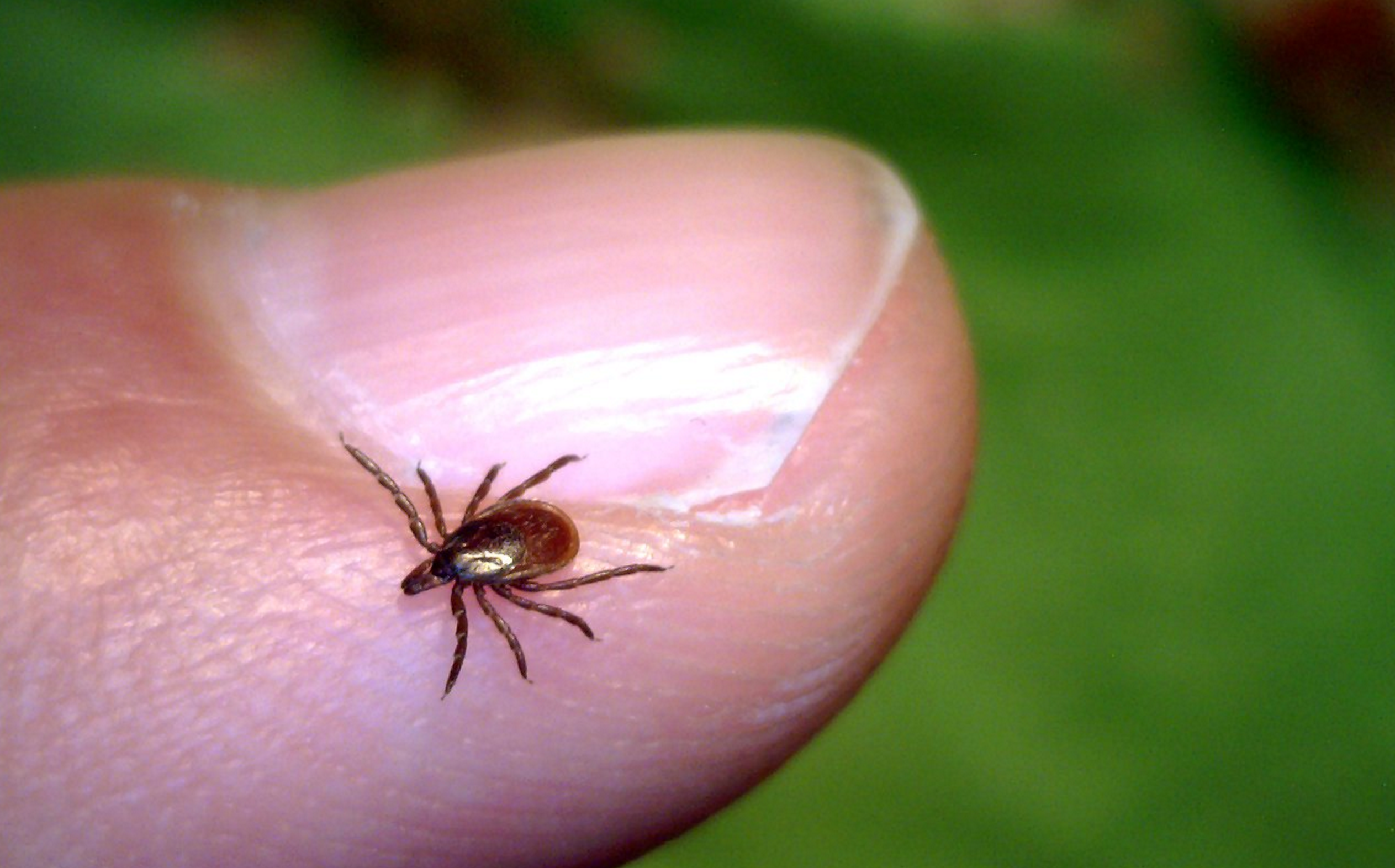










CAMBRIDGE, Ohio—(AVC News)–We are, for many, just past the height of the summer vacation season, which, unfortunately, is still peak time of the year for ticks and the diseases they carry.
Tick season in Ohio is most active from April to September, or later, with the peak typically in May, June and July.
Tick borne diseases, Rocky Mt. Spotted Fever, and Lyme Disease are on the rise in the Buckeye State.
In 2010, Ohio had 40 cases of Lyme disease, a decade later that number jumped to 415.
And only five years later, the number last year, soared to more than 2,800 cases with experts saying there shows no signs of abating.
Currently, according to the Ohio Dept. of Health, as of July 10, there have be 762 cases of Lyme Disease reported alone, with 53 others stricken with other trick borne diseases.
Lyme Disease is the most prevalent in Ohio, spread typically by the bite of Blacklegged Tick. The other commonly found ticks are the Lone Star Tick and the American Dog Tick. Each can transmit various types of diseases including Rocky Mt. Spotted Fever and Anaplasmosis.
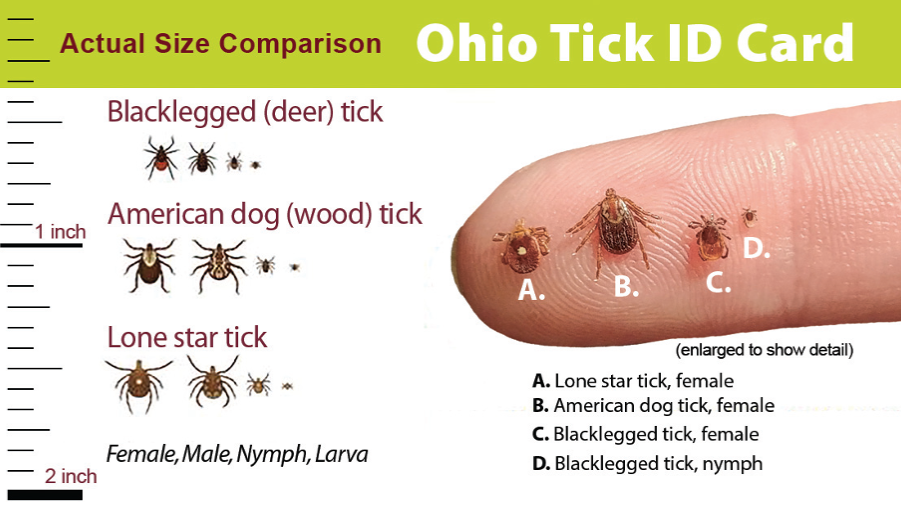
Ticks are frequently found hanging on blades of tall grass and in wooded areas, and in various sizes, some as small as a poppy seed.
Experts recommend after spending time outside to check your clothing and body carefully. Ticks tend to hide in body folds, underarms and hair. Also be sure to check your pets when they come in from outdoors.
If you do find a tick embedded in your skin use tweezers or other tick removal devices. Be sure that the entire tick has been removed. Do not squeeze the body of the tick.
Once removed, wash the area with soap and water, and observe the area carefully in the coming days.
Symptoms of Lyme Disease include; a bullseye rash at the bite site, fever, chills, fatigue, headache and muscle or joint pain.
Experts say to seek medical attention if the tick has been embedded more that 36 hours, you cannot remove the entire tick or the onset of any symptoms.
However, when in doubt, seek medical advice.